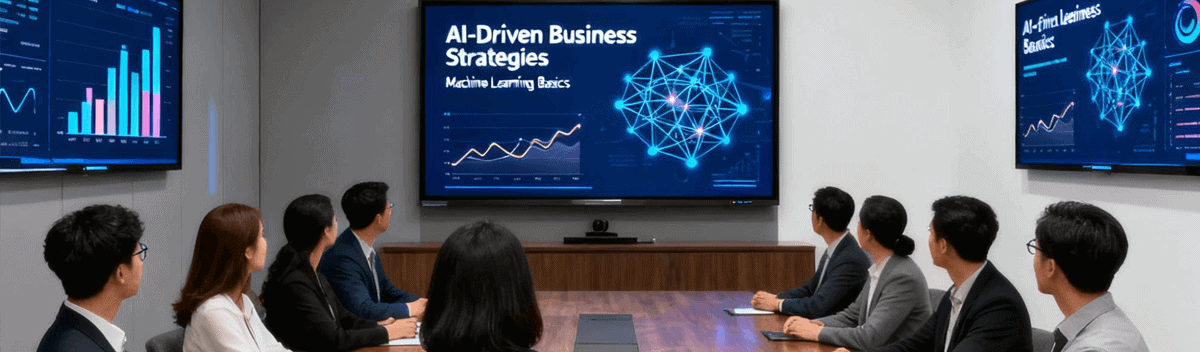
Updated – November 5, 2026
An AI training workshop for teams is a live, hands-on session where people learn to use AI on their own work: safe-use rules, a prompting method and real tasks rebuilt with AI. Faye runs hands-on workshops inside every Claude rollout and a fixed-fee strategy workshop for leaders that ends in a 30/60/90-day plan.
This guide covers both kinds of AI workshop: what happens in each, who should attend, how long it takes, how often to run one and what it costs. If you need more than a single workshop, our guide to AI training for employees covers a full program.
Key takeaways
- There are two kinds of AI workshop: a strategy workshop that helps leaders choose priorities, and a hands-on training workshop that changes how teams work.
- A half day covers the basics; a full day adds role breakouts where people rebuild their own tasks.
- Run a foundation workshop when a team starts using an approved AI tool, then refreshers every quarter.
- Public workshops start around $495 per person; private team workshops are quoted per engagement.
What is an AI training workshop?
An AI workshop is a session designed to help organizations understand and apply artificial intelligence in practical, business-driven ways. Think of an AI workshop as a guided class where teams learn to connect strategic goals with real AI applications.
Unlike traditional training programs that focus on abstract theory, Workshops on AI emphasize hands-on experience. They give participants the chance to work directly with AI tools, generative AI models, and prompt engineering techniques relevant to their roles.
A well-designed AI training workshop combines strategy and skill-building. Participants actively explore real use cases and identify how automation and AI agents can improve their workflows. The end goal of a workshop is to accelerate AI adoption across an organization. They offer a structured way to explore opportunities without committing to large-scale investments.
Two kinds of AI workshop
Most companies need both, in this order: a strategy workshop first, so training targets the work that matters, then hands-on training for the teams doing that work.
| Strategy workshop | Hands-on training workshop | |
|---|---|---|
| Who attends | Executives, department leaders, IT | Everyday users grouped by team, plus admins and champions |
| Goal | Choose where AI pays off first | Change how people do their own work |
| Format | Facilitated sessions plus analysis between them | Practice in the tools your company has approved |
| You leave with | Prioritized use cases and a 30/60/90-day roadmap | Rebuilt tasks, shared rules and a named champion per team |
| At Faye | AI Quickstart: one full day and one half day, virtual | Part of every Claude rollout |
Why Sign Up for an AI Workshop
Across industries, leaders know that artificial intelligence holds enormous potential, but may not know where to use it in their organization. In fact, data from Russell Reynolds finds that only 32% of leaders are confident in their own ability to implement AI in their organizations.
An AI training workshop bridges that gap by turning abstract interest into focused, hands-on learning. Here are a few specific ways a workshop can help:
Knowing Where to Start for Maximum Impact
A generative AI workshop helps participants evaluate their organization’s current processes and operations to prioritize areas where AI can deliver measurable results. By focusing on the processes that combine high manual effort with clear data patterns, teams can pinpoint the best starting points to enhance efficiency and demonstrate measurable impact.
Identifying the Departments and Roles That Benefit Most
AI doesn’t look the same in every department. A workshop helps leaders assess which functions (i.e. customer service, sales, marketing, or operations) stand to gain the most from intelligent automation or predictive analytics. This exercise ensures AI initiatives align with real business needs.
Prioritizing Initiatives for Quick Wins and Long-Term Value
An effective AI strategy requires both immediate proof points and a roadmap for sustainable growth in the future. During workshops, participants learn how to balance short-term automation wins with initiatives that drive deeper transformation over time.
This structured prioritization helps prevent wasted investment and ensures resources are directed toward projects that deliver lasting business value.
Building a Sustainable AI Ecosystem
Adopting AI is about both strategy and infrastructure. Workshops introduce teams to the essential tools, platforms, and integrations needed to support AI at scale. Participants gain clarity on data management requirements, workflow automation tools, and emerging AI software that align with their existing systems.
Who should attend an AI workshop?
Workshops on AI bring together the decision-makers, innovators, and technical experts who can connect strategy with implementation. While every business has a different structure, several key roles consistently gain the most value from attending.
- Executive Sponsors: Successful AI adoption starts at the top. Leaders such as CEOs, COOs set the vision and allocate the resources needed to bring AI initiatives to life. Their involvement ensures that insights from the workshop align with broader business goals and that AI investments directly support organizational priorities.
- Department Leaders: Leaders in Sales, Marketing, Service, and Operations play a central role in identifying where AI can make the greatest impact. These department heads bring a firsthand understanding of day-to-day processes, customer interactions, and team challenges. By participating in a workshop, they can spot opportunities for automation, improved analytics, and smarter workflows.
- IT and Data Professionals: Behind every effective AI strategy is a strong technical foundation. IT representatives help evaluate existing systems, assess integration requirements, and ensure that any proposed AI solutions meet security, compliance, and scalability standards. Technical teams also gain practical insight into integrating AI tools, data analytics, and automation into existing systems.
- Innovation Champions and Operations Teams: These are the internal advocates who keep momentum going after the workshop ends. They may come from any department but share a passion for exploring new tools, experimenting with emerging technologies, and sharing lessons learned with peers.
What should you leave an AI workshop with?
The goal of an AI training workshop is delivering a focused session that translates ideas into action. By the end of the workshop, participants should leave with five things:
Clear Vision for AI Transformation
Through guided discussion and hands-on exercises, organizations define how artificial intelligence fits into their broader business objectives. Whether the goal is to improve efficiency, enhance customer experiences, or drive data-informed decision-making, participants should leave with a shared vision for what successful AI transformation looks like.

Prioritized List of High-Impact AI Opportunities
Not every idea delivers equal value. Teams must identify and rank AI opportunities based on feasibility and potential return on investment. This prioritized list helps leaders focus on promising data-driven insights, innovative ideas, and initiatives that can create measurable impact.
Practical Technology Recommendations
Choosing the right tools can make or break an AI strategy and AI adoption. Workshops provide practical recommendations on AI technology, platforms, and vendors that best fit an organization’s needs.
Actionable Roadmap with Quick Wins
Every organization needs early momentum. By mapping out short-term “quick wins” alongside long-term transformation goals, participants can leave a generative AI workshop with a clear roadmap to guide implementation. This roadmap provides direct access to tools, best practices, and tested workflows that improve speed and consistency across AI-related tasks.
Consensus on Next Steps
AI initiatives succeed when everyone is aligned. Workshops conclude by establishing next steps, defining ownership, and outlining the resources (people, budget, and data infrastructure) required to move forward.
How does Faye run an AI strategy workshop?
An AI workshop brings together business leaders, technical teams, and innovation champions to explore how artificial intelligence can drive value across the organization. Sessions typically include a mix of education, brainstorming, and guided planning.
At Faye, our workshops are focused on education and execution. The AI Quickstart combines hands-on collaboration with expert insight. The program includes one full day and one half-day of interactive sessions conducted virtually via Zoom, led by a dedicated Faye AI Consultant.
Between sessions, Faye’s team completes 8 hours of offline analysis and deliverable preparation, ensuring every recommendation is tailored to your organization’s goals.
This blended format allows participants to engage directly with AI concepts and strategies during live sessions, while benefiting from curated analysis and structured deliverables that are prepared.
UNLOCK YOUR FREE 1-HOUR AI CONSULTATION
Discover how AI can transform your business with a personalized session tailored to your goals. This 1-hour consultation dives into practical ways to elevate customer experience, operations, and ROI.
- Identify high-impact AI use cases for your business
- Explore tools to optimize CX, lead flow, and revenue
- Get expert insights on automation and AI strategy
 Book Your Consultation
What’s Included in an AI Workshop
While every organization’s needs are unique, each Faye AI Workshop is designed to deliver clear, actionable outcomes tailored to your business. The exact deliverables of workshops on AI may vary depending on goals and scope, but every program provides a structured path to execution. Below is what participants can expect when they join a Faye AI Workshop.
AI Opportunity Map
This gives organizations a clear picture of where artificial intelligence can create the most value. Participants receive a prioritized list of AI use cases by department along with impact assessment scores that highlight quick wins and high-value opportunities.
AI Technology Stack Recommendation
The AI Technology Stack Recommendation provides practical guidance on the tools and integrations that best fit your organization’s systems and strategy. It includes specific vendor suggestions, along with a visual integration architecture diagram that shows how technologies connect across your environment.
AI Transformation Roadmap
This roadmap is the bridge between learning and implementation. Participants receive a 30/60/90-day plan outlining next steps, resource requirements, and measurable outcomes. This ensures teams can maintain momentum and track progress long after the workshop ends.
Executive Summary Presentation
This brings everything together into a clear, business-ready deliverable for leadership review. It outlines the business case for the top AI initiatives, expected outcomes, and a projected timeline for value realization.
Why run your AI workshop with Faye?
There are a variety of AI workshops and consulting programs on the market. Faye AI Quickstart Workshop offers a distinct experience built on years of helping businesses unlock the hidden potential within their software ecosystems.
We apply that same deep operational and technical expertise to accelerate AI adoption for your business. Here’s how:
- Move Quickly: AI strategy often stalls because planning takes too long. We compress months of strategic thinking into a focused, high-impact workshop that delivers clarity in days. We help your team identify what truly matters, find the right AI tools, and start taking measurable steps toward AI adoption right away.
- We Own What Happens: We take responsibility for delivering actionable results. Every deliverable from our AI Workshop is built around your data, your processes, and your business goals, ensuring that what you learn can be applied immediately.
- Powerful Innovations: We help organizations identify innovative AI solutions that solve real business challenges and unlock new ways to create value. This may include streamlining operations, enhancing customer experiences, or finding larger ways to use AI as a catalyst for meaningful, measurable progress.
- Clients come first: Above all, we put your business first. Our workshops start with your challenges and stay focused on building solutions that work in the real world. With Faye, you gain a partner who listens, collaborates, and supports your team at every stage of your AI journey.
- Training on your real tools: Faye implements Claude, Salesforce, Sugar, Zendesk and Fin, so hands-on workshops can use the setup your team will actually work in.
Conclusion: Unlocking AI In Your Business
Artificial intelligence is transforming how organizations operate. Harnessing the full potential of this technology demands structure, strategy, and hands-on guidance. AI training workshops provide a focused experience that helps teams discover high-impact opportunities, and build a clear roadmap for implementation.
If your organization is ready to move beyond theory and start building real business outcomes with AI, it’s time to take the next step.
Book your AI workshop with Faye Digital and turn your AI goals into measurable results.
Frequently asked questions
Can non-technical employees attend an AI workshop?
Yes. Good workshops are built for people who use AI in everyday work, not for engineers. They start with what AI can and cannot do, practice on familiar tasks such as drafting, summarizing and analysis, and avoid code. Technical teams get separate sessions on building with AI.
Is one AI workshop enough?
Rarely. A workshop starts new habits; follow-up keeps them. Plan office hours in the weeks after, name a champion in each team and run a short refresher when tools or policies change. Teams that treat training as an ongoing program, not a single event, are the ones whose habits stick.
Should an AI workshop use our own tools?
Yes, wherever possible. Practicing in the tools your company has approved, with your own data rules and real tasks, is what turns a workshop into new habits. Generic demos in public tools teach the idea, but they rarely change how people work the following week.
Can AI workshops run virtually?
Yes. Virtual workshops work well when sessions are short, hands-on and split into breakouts, and they make it easier to include distributed teams. Faye’s AI Quickstart runs on Zoom over one full day and one half day. In-person sessions suit teams that want a full working day together.

Your Claude pilot worked in the demo. In daily operations, it is a different story. Usage is uneven, approvals remain Read more

Most of the AI projects I work on start in the same place. An executive calls us and says some Read more

An AI readiness assessment tells you how prepared your company is to get real business value from AI, across strategy, Read more

The right Claude implementation partner can advise on how Claude should be used, build the connections and custom skills that Read more